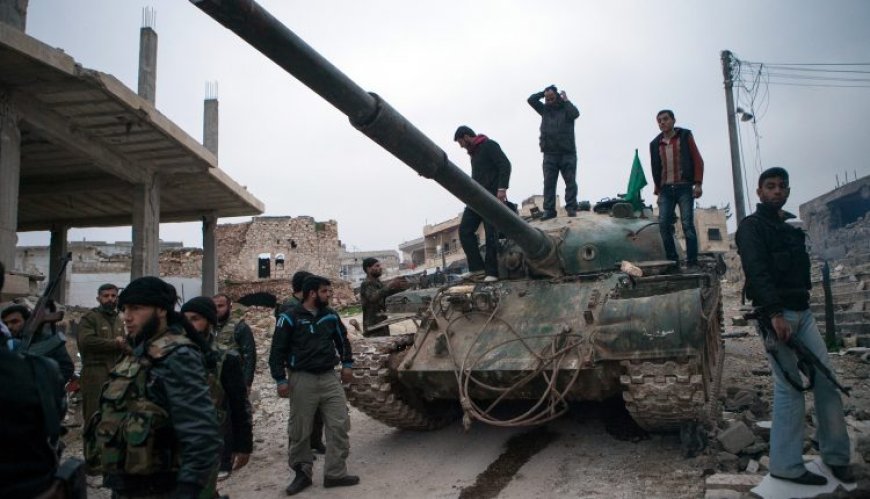
Within the last two two weeks, the government in Damascus has once again resorted to violence against the Kurdish settlements of Sheikh Maqsoud, Ashrafiyah. This attacks have also extended since yesterday to the Beni Zeyd neighborhoods of Aleppo. Documentation provide by the Kurdish News Agency ANHA reveals that 9 people, almost all civilians, have been killed, and at least 46 people, including many children, were wounded. Under the Turkish supervision, Syrian Ministry of Defence forces have deployed a comprehensive array of heavy weaponry, including tanks, heavy artillery, ‘Grad’ and ‘Katyusha’ rocket launchers, mortars, and DShK heavy machine guns of various types. Additionally, suicide drone attacks and weapons with high destructive capacity were utilised. The attacks are being carried out mainly by the Turkish state–backed armed groups Hemzat, Emşat, Sultan Murad, and Nureddin Zengi.
The 500.000 Kurds in Sheikh Maqsoud and Ashrafiyah have lived in Aleppo for centuries. Current policies, the motive of which being of ethnic cleansing, will lead Syria into a new escalation.
For some time, diplomatic negotiations with international mediation have been ongoing for the democratic integration of the SDF (Syrian Democratic Forces) into the Syrian Ministry of Defence. However, whenever progress is visible, regional states such as Turkey intervene; activating proxies in the HTS circle that are loyal to the Syrian government, who then attack Kurdish civilians militarily. Believing that violence can force the Kurds to make concessions may be wishful thinking. We recall the years of fighting against the Islamic State (IS), which used all forms of violence and yet was defeated by the Kurds.
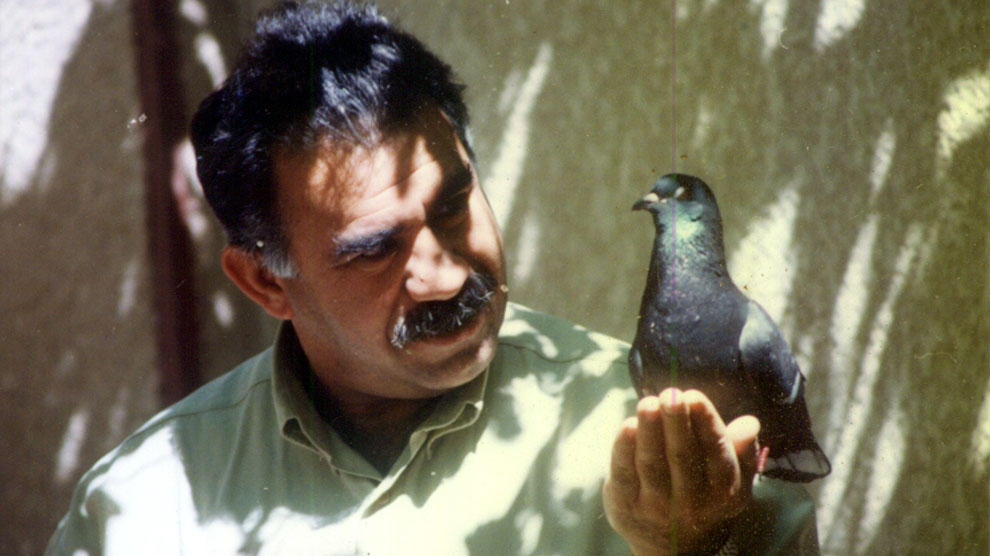
The Syrian government should refrain from serving as a proxy for regional states such as Turkey. Despite the historic opportunities presented to it by Kurdish leader Abdullah Öcalan since February 27, 2025, the Turkish government has persisted in its refusal to work towards a solution to the Kurdish question. This policy is currently also part of Turkey’s foreign policy in Syria against the Kurds. Instead of heeding the directives of Ankara, the government in Damascus ought to prioritise the engagement of international mediation to establish peace with the Kurds and formally acknowledge the Kurds as constituents within Syria.
The people of Syria has suffered enough from war. The people of Syria, especially the Kurds, Arabs, Armenians, and Assyrians in northeastern Syria and Rojava, have paid a high price for their freedom against ISIS. Having experienced brutal persecution, Alawites and Druze also need the peace.
Urgent Demands
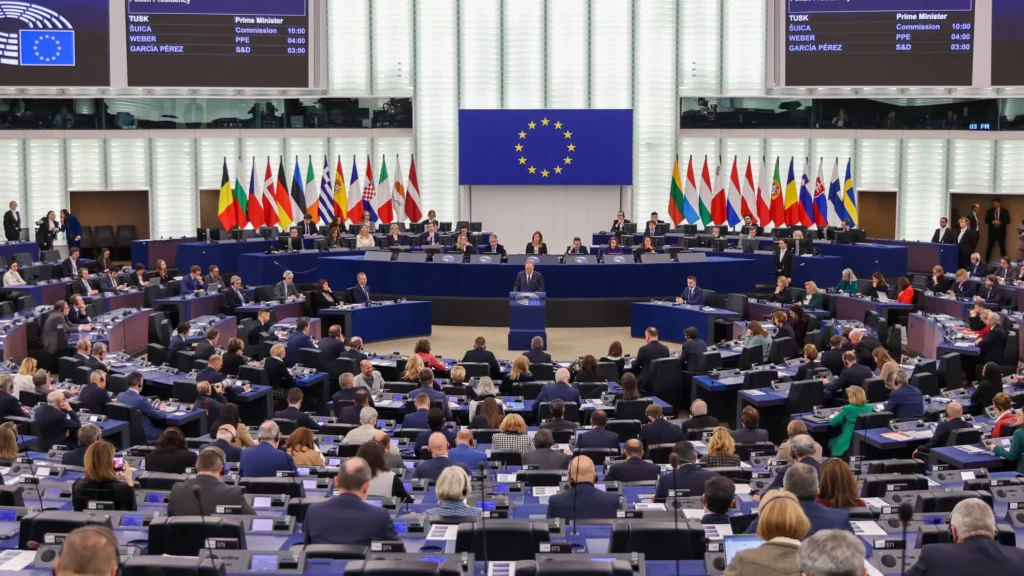
We call on the United Nations, the United States, the Arab League, and the European Union to take action to stop countries such as Turkey, whose pursuit of power interests is obstructing the path to peace in Syria. Syria is not part of any neo-Ottoman project.
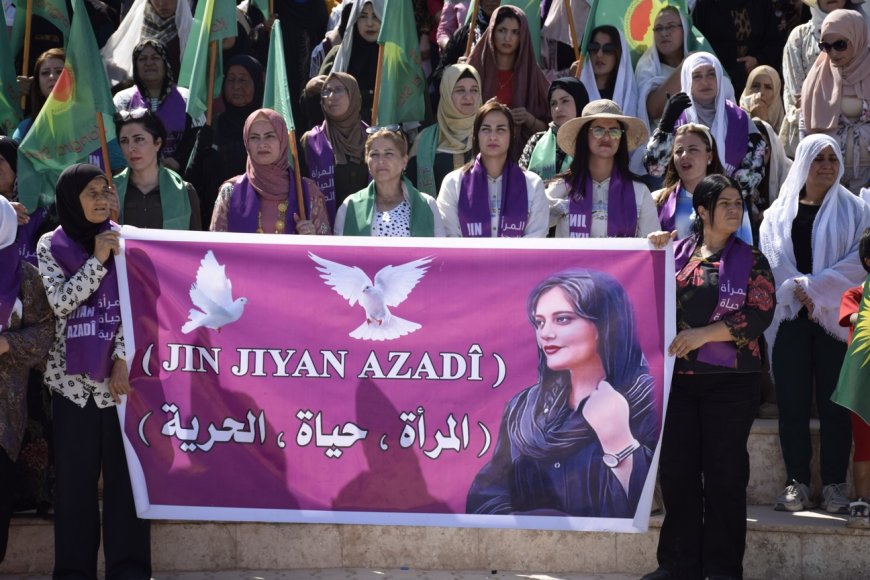
We also call on all states that cooperate with the al-Sharaa government diplomatically, economically, or militarily to end their previous proxy policy. Thanks to the efforts of the Kurds, Syria now has a chance at democracy and consequently, peace. The model initiated by the Kurds in northeastern Syria is a beacon of democracy, equality, and freedom. It is a model of women’s liberation and social transformation. Kurds, Arabs, Armenians, and Assyrians can live together as equals in this model.
We also request that the Turkish government consider the peace proposals put forward by the Kurdish side, as represented by Kurdish leader Abdullah Öcalan, with the aim of democratic transition for more peaceful relationship with the Kurds in Turkey, Syria and Iraq.
Executive Council of the Kurdistan National Congress