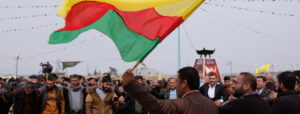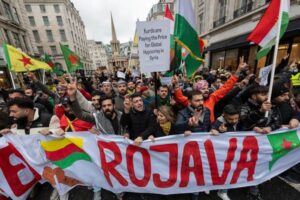
The military offensive initiated against Kurdish neighborhoods in Aleppo on 6 January 2026 was the violent culmination of a plan designed by the Turkish state and implemented by jihadist militias led by Ahmad al-Sharaa. Strategically directed and logistically enabled by external state actors, the operation aimed not merely at territorial control but at the systematic dismantling of the Syrian Democratic Forces (SDF) as an institutional entity and the forced liquidation of a decade of autonomous self-governance in the region, as formalized by the so-called “integration” decree of 18 January.
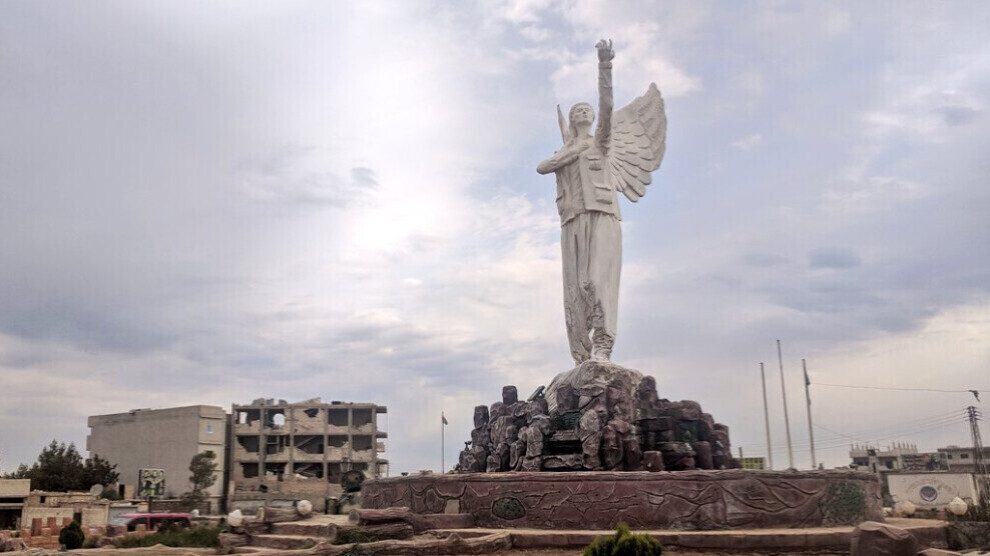
Through this attack, the perpetrators sought to extinguish a revolutionary project in which women are liberated, peoples coexist as equals, and democracy breathes in everyday life. Yet they failed to account for one fundamental reality: this light is no longer only Rojava’s hope, it has become a source of inspiration for peoples across the world. The human cost of this campaign, however, has been devastating. Hundreds of thousands of civilians have been forcibly displaced, hundreds killed, and the city of Kobanê now endures a crippling siege, deliberately deprived of food, water, medicine, and electricity. These acts—weaponizing essential civilian infrastructure—constitute grave violations of international humanitarian law and amount to collective punishment.
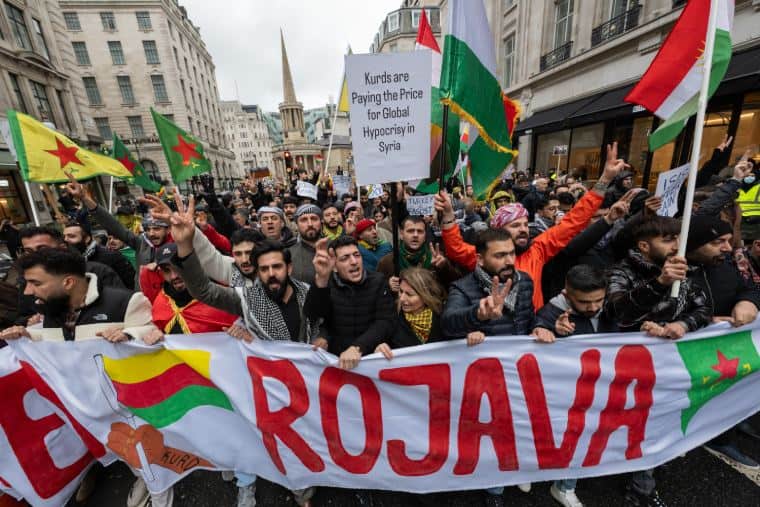
The agreement signed on 29 January is not an endpoint. On the contrary, it marks the beginning of a long and arduous struggle for genuine democratic integration. It represents both an opportunity and a terrain of resistance to demonstrate that we will never accept the imposition of a “one-size-fits-all” model of life or the jihadist mentality forced upon our society. To protect and advance the achievements of the Rojava revolution, we must intensify our presence in the streets, strengthen our organization, and maintain a resolute and unwavering stance.
The international community, particularly the states of the International Coalition—bears direct responsibility. Silence in the face of this siege constitutes complicity. The Coalition now carries a heightened obligation to ensure the implementation of the agreement. Likewise, the international community, including the European Union (EU) and the United Nations (UN), must assume its role and guarantee constitutional protection for all political, social, democratic, and linguistic rights of the Rojava administration, where diverse religious and ethnic communities have lived together in peace and dignity.
We therefore urgently call upon the international community to:
1. Implement a Protected Zone and International Monitoring Mechanism: Establish an immediate, internationally monitored protection line through the urgent deployment of a robust observer mission with the authority to monitor compliance, document violations in real time, and protect civilians.
2. Guarantee Constitutional Rights and Democratic Self-Governance: Ensure that any sustainable political solution is grounded in constitutional recognition of the Kurdish people’s identity, language, and right to democratic self-administration within a decentralized Syrian framework. Binding guarantees are essential to prevent the institutionalization of further repression.
3. Apply Concrete Diplomatic and Economic Pressure: Move beyond rhetoric by imposing meaningful consequences, including targeted sanctions against the architects of this offensive, arms embargoes on the perpetrators, and diplomatic isolation of states that have actively enabled the assault.
4. Act Decisively Without Delay: The United Nations and the states of the International Coalition must act decisively and without delay to prevent further escalation and irreversible harm to civilian life.